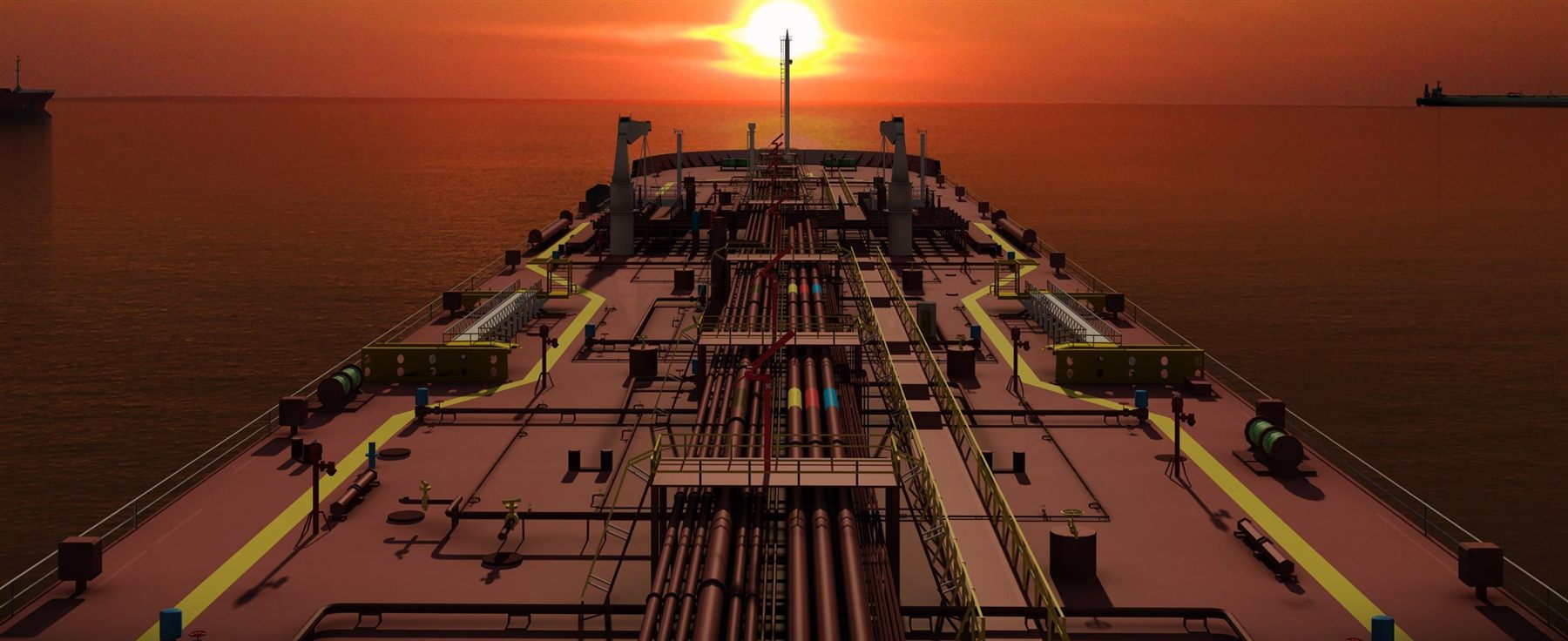
Ultra-realistic, high-intensity training solutions certified by DNV, for maritime and industrial training.
Simulation Training
Learning from mistakes without doing any damage
The word “simulation” implies an imitation of a real-life process, to provide a lifelike experience in a controlled environment. It can be thought of as somewhere to learn from mistakes without doing any damage.
What is simulation-based training?
Simulation training is used to teach trainees the skills needed in the real world. It provides a lifelike, point-of-care learning experience and is widely applied in aviation, maritime, industry, the military and healthcare.
The added value
A well-constructed simulation lets trainees answer the question “If I do this, what happens?”. They can test different scenarios, see what works, and understand how they arrived at right and wrong answers. This trial-and-error approach gives them the knowledge and confidence to apply new skills in the real world.
The value of simulation training is further enhanced by debriefing and coaching. With video recordings, sessions can be analysed, errors identified, successes marked, and the emotions or feelings that influenced the trainees discussed. This is when the real learning takes place.
Practising in a safe environment
Training simulators are an invaluable tool for teaching and training. They provide a realistic, interactive learning environment with real-world scenarios that enhance the educational experience.
DNV-GL
ANAB
STCW
IMCA
Portfolio
Maritime simulators
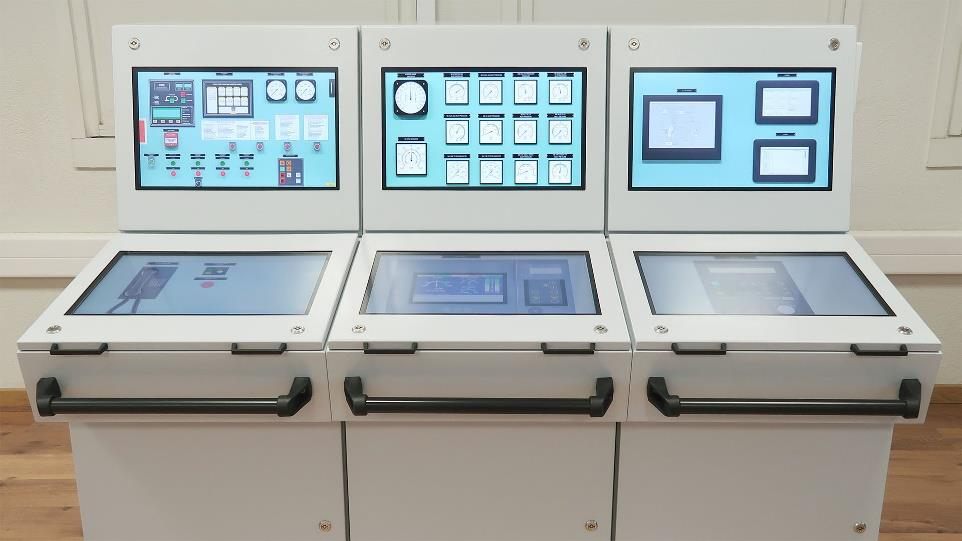
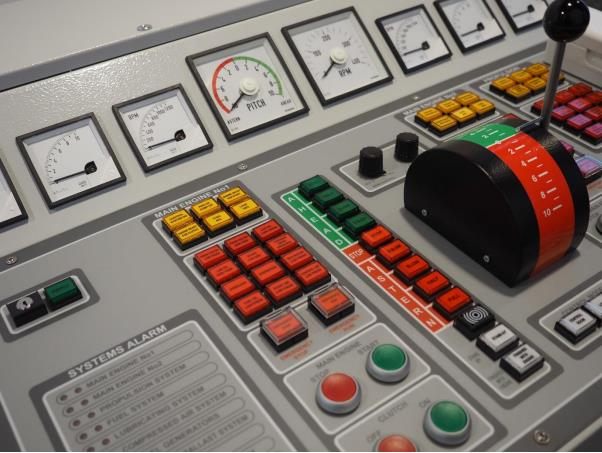
Our range of fully certified marine simulators offers ultra-realistic, high-intensity training in both single-task and fully integrated training cases.
The portfolio consists of a comprehensive suite of simulators, each certified by DNV to the highest Class ‘A’ standard. Fully compliant with the major revisions in STCW 2010, our products are available in a wide variety of configurations, from desktop to full mission.
Each simulator delivers high-intensity training in isolation or in integrated modes, supporting team-based mission training and rehearsal. These cost-effective solutions meet the training requirements of nautical colleges and academies, maritime training centres and ship owners.
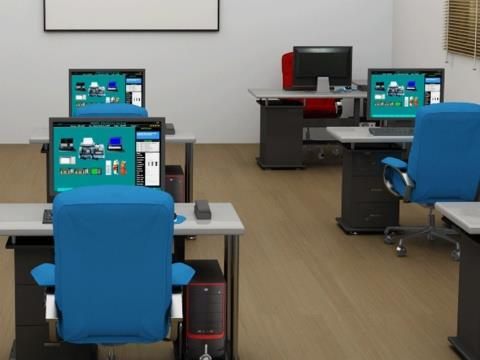
Bridge Simulator Classroom
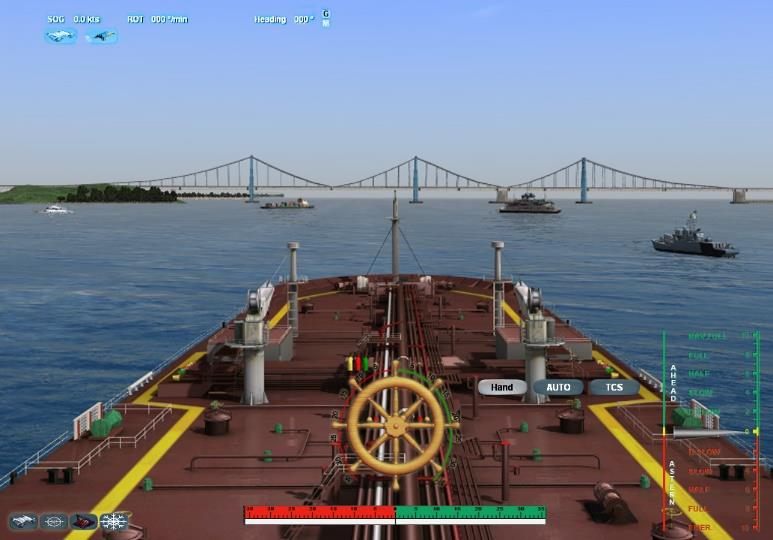
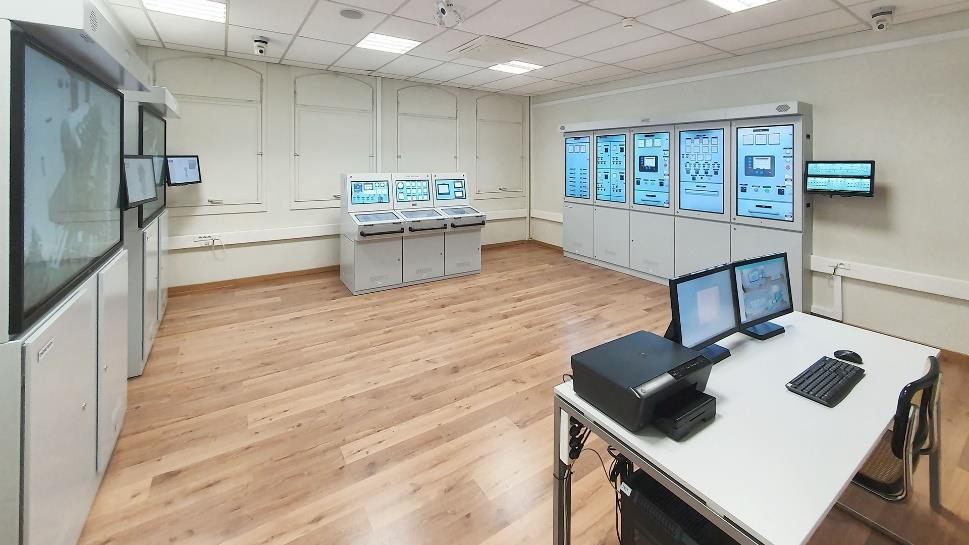
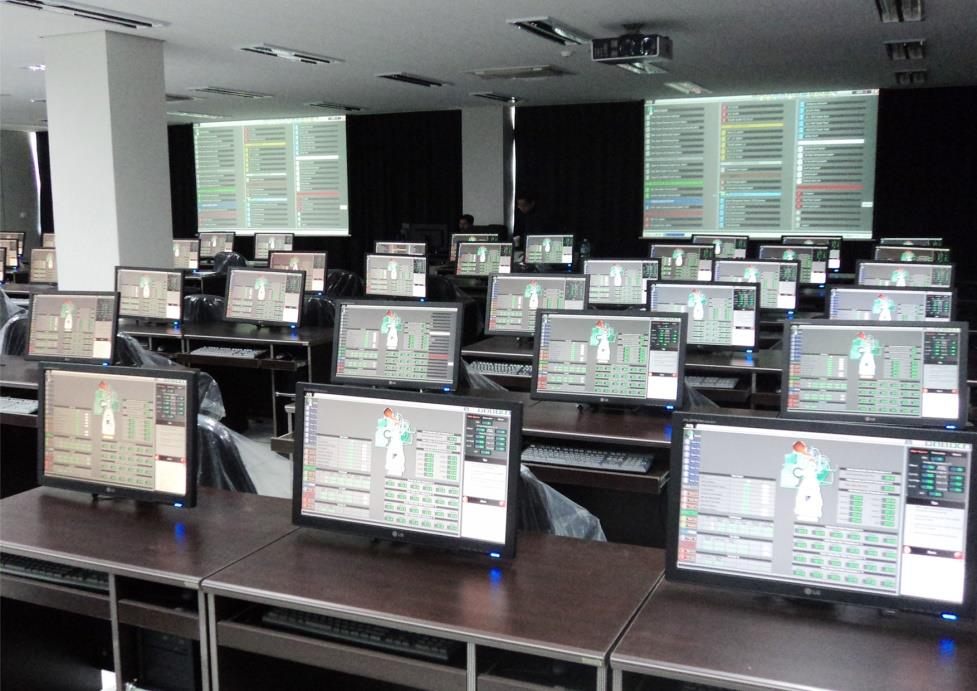
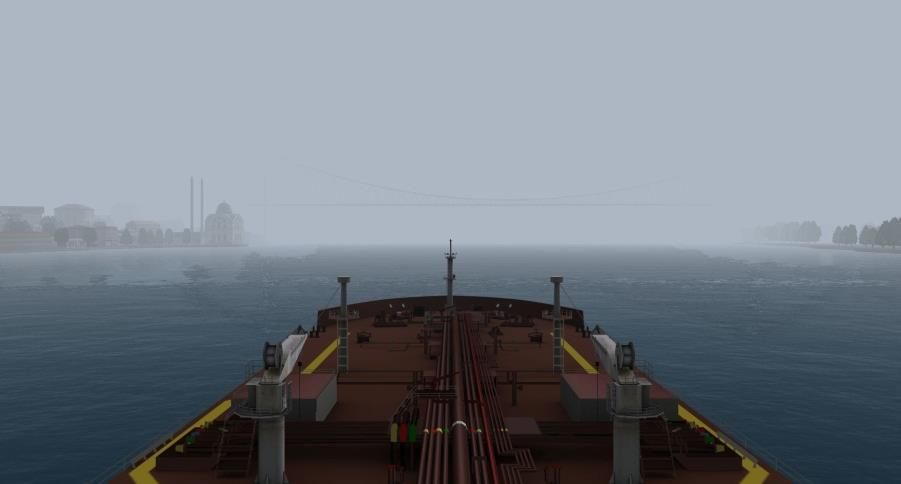
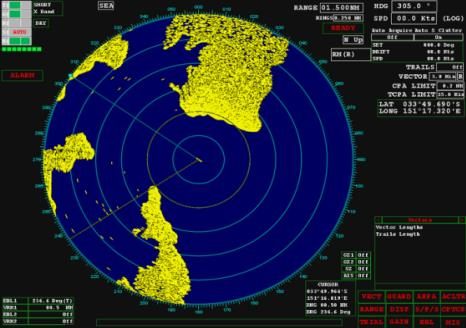
Ship-handling training for bridge officers and pilots, with an instructor station, a debriefing station and trainee stations (ECDIS, Radar/ARPA, Nav-Aids and visual conning).
20 own-ship and 50 target-ship models, 6 degrees of freedom
15 exercise areas linked with the Radar & ECDIS modules
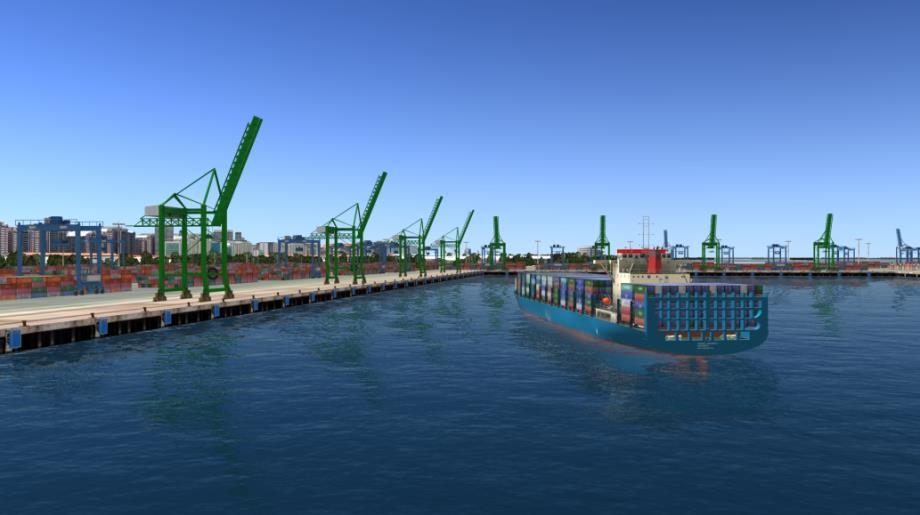
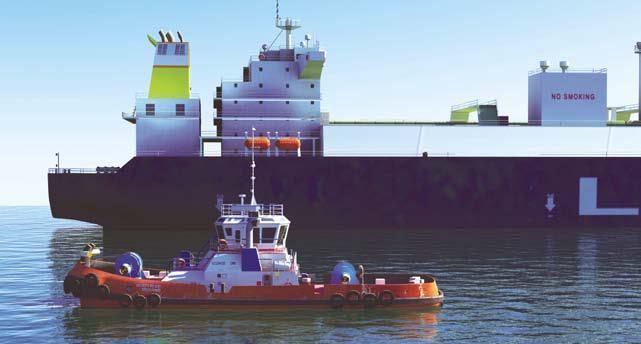
Berthing, mooring, tugs, collision avoidance, bridge team management
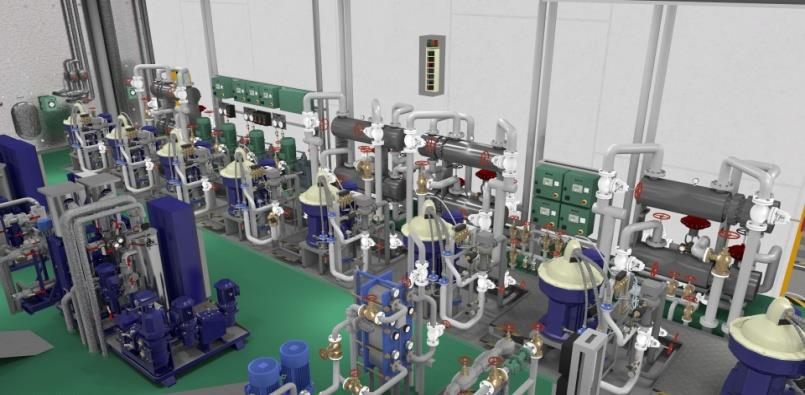
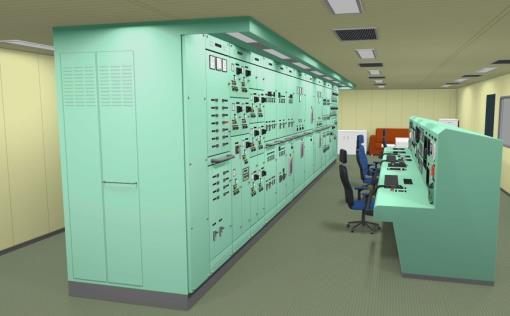
Classroom engine-room training with 3D models of real equipment, verified by the engine manufacturers. Covers low-speed, medium-speed and LNG dual-fuel diesel-electric plants.
W-X92 low-speed, MER3D medium-speed and LNG-DE3D modules
Virtual Engine Room CBT with 45+ auxiliary systems
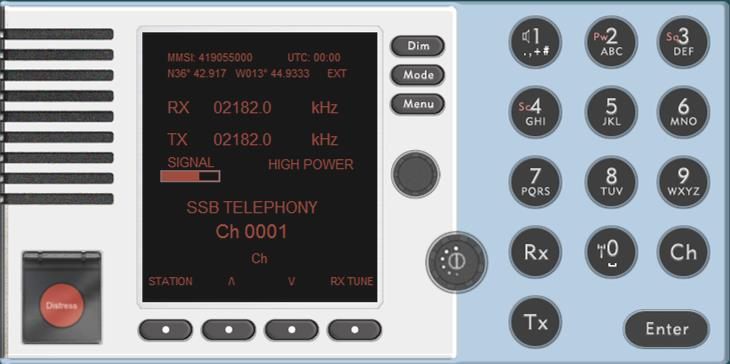
Training in distress and routine communications at sea, for GMDSS GOC courses under IMO Model Course 1.25. Runs stand-alone or integrated with the bridge simulator.
All simulators follow IMO, STCW 2010, MARPOL and SOLAS requirements. Installation, commissioning and instructor training are carried out by POLYTECH S.A., the certified integrator for Greece, together with PANGAEA R&D®.
Our state-of-the-art welding simulator is aimed at vocational training. It offers a modern teaching trainer that improves the quality of welder training and drastically reduces training time compared with a real welding machine.
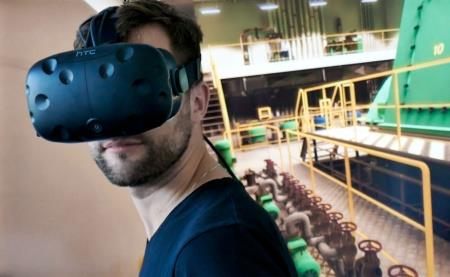
The package provides a 3D real-time video platform using realistic virtual-reality technology. It records and replays the welding process and its environment in real time, storing detailed images and hand-motion presentations while accurately recording the motion and process steps, from any viewing angle.
It fully supports evaluation, with a set of graphical and analytical tools. The critical performance indices of each student trial are recorded in the database on the instructor's computer.
Benefits of the A21 simulator
No real welding power, electrodes or welding gases are used, so it offers an accident-free environment, especially for beginners.
Risk-free, cost-effective practice that shortens training time.
Recorded performance indices for objective evaluation by the instructor.